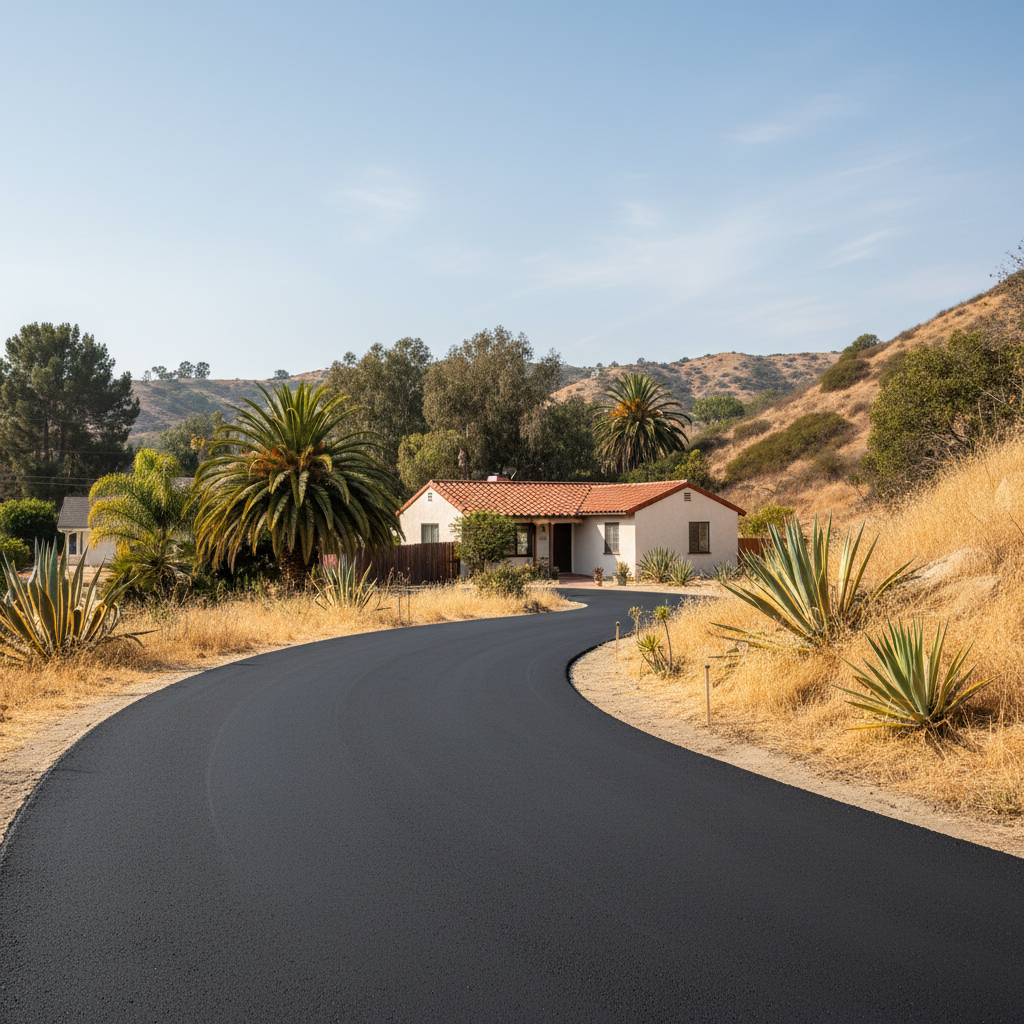
Alright, let's talk about your asphalt driveway here in North Hollywood. You might think asphalt is just asphalt, but honestly, our specific Southern California climate plays a huge role in how long it lasts and when it's best to get work done. I've seen it all, from driveways baking in August to getting hammered by those winter downpours we sometimes get. Understanding our weather patterns isn't just about comfort; it's about protecting your investment, plain and simple.
Why Our SoCal Climate Really Affects Asphalt
You know how our weather goes, right? Long, hot, dry summers, then a few months of cooler temperatures, sometimes with heavy rain. That's a pretty tough cycle for asphalt. Heat makes it expand and softens it up, making it more prone to rutting or cracking under pressure. Then, when things cool down, it contracts. This constant expansion and contraction, especially with those big temperature swings we get between day and night, really stresses the material.
And here's the kicker: when cracks do form, our occasional heavy rains – particularly after a long dry spell – are just waiting to seep in and cause more damage underneath. Think about it: a small crack might not seem like much, but if water gets in there and then freezes (rare, but it happens on those really cold nights in the Valley, doesn't it?), or just sits there softening the base, you've got a recipe for bigger problems. Plus, the intense UV radiation from our almost year-round sunshine is constantly drying out the asphalt binder, making it brittle and faded. It's not just about how it looks; it's about its structural integrity.
The Best Time to Schedule Asphalt Repairs
So, when's the sweet spot for getting your asphalt fixed? Generally, I tell folks to aim for spring or fall. Here's why:
Spring (March to May): This is prime time. The ground has had a chance to dry out from any winter rains, and the temperatures are usually mild and consistent. Not too hot, not too cold. This allows the new asphalt or patching material to cure properly without being subjected to extreme heat or cold stress right away. You'll get the best bond and the most durable repair this way.
Fall (September to November): Another excellent window. The brutal summer heat has usually passed, but we haven't hit the really cold or rainy parts of winter yet. Again, consistent, moderate temperatures are key for a good cure. If you've got cracks from summer heat, this is your chance to get them sealed before the winter rains turn them into potholes.
Now, can you do repairs in summer or winter? Sure, sometimes you have to, especially for emergency fixes. But it's not ideal. In summer, the heat can make asphalt too soft and difficult to work with, and it cures too quickly, which can lead to premature cracking. In winter, cold temperatures slow down the curing process significantly, and rain can wash away emulsions or weaken the base, compromising the repair's longevity. If it's really cold, below 50 degrees consistently, the material just doesn't bond as well, and who wants a repair that won't hold?
Weather Conditions That Affect the Work
When we're out there, we're always keeping an eye on the forecast. Here's what we're looking for:
Temperature: Like I said, moderate is best. We generally like to see temperatures between 60 and 85 degrees Fahrenheit for optimal results. Too hot, and the material can be too fluid; too cold, and it won't compact properly or cure well.
Rain: This is a big one. You simply can't lay or repair asphalt effectively in the rain. Water prevents proper bonding and can ruin the sub-base. If rain is in the forecast, we'll reschedule. It's just not worth doing a job that won't last.
Humidity: High humidity can slow down the curing process of some asphalt products, though it's less of a concern than temperature or rain for most standard repairs. We watch it, but it's rarely a showstopper.
Wind: Strong winds can cool asphalt too quickly, especially during paving, and can also blow debris into fresh material. Not usually a deal-breaker for small repairs, but certainly something to consider.
Protecting Your Asphalt Investment Year-Round
You've put money into your driveway; you want it to last. Here's what you can do:
Regular Cleaning: Sweep off dirt, leaves, and debris. This prevents organic matter from breaking down on the surface and keeps water from pooling.
Address Spills Immediately: Oil, gas, and other chemicals can break down asphalt. Clean them up as soon as they happen.
Sealcoating: This is huge, especially with our sun. A good sealcoat every 2-3 years protects against UV rays, water penetration, and oxidation. It's like sunscreen for your driveway. Midway Asphalt Solutions can help you get on a regular schedule for this.
Crack Sealing: Don't let small cracks become big problems. If you see them, get them sealed. This is your first line of defense against water damage.
Proper Drainage: Make sure water isn't pooling on your driveway. Good drainage around your property helps prevent water from undermining the asphalt base.
Avoid Heavy Loads: Don't park heavy trucks or RVs on your asphalt for extended periods, especially during hot weather when the asphalt is softer. This can cause rutting and depressions.
Taking a proactive approach to maintenance, and understanding how our unique North Hollywood climate affects your asphalt, will save you a lot of headaches and money in the long run. If you've got questions about your driveway or need to schedule a check-up, just give us a call. We're here to help.