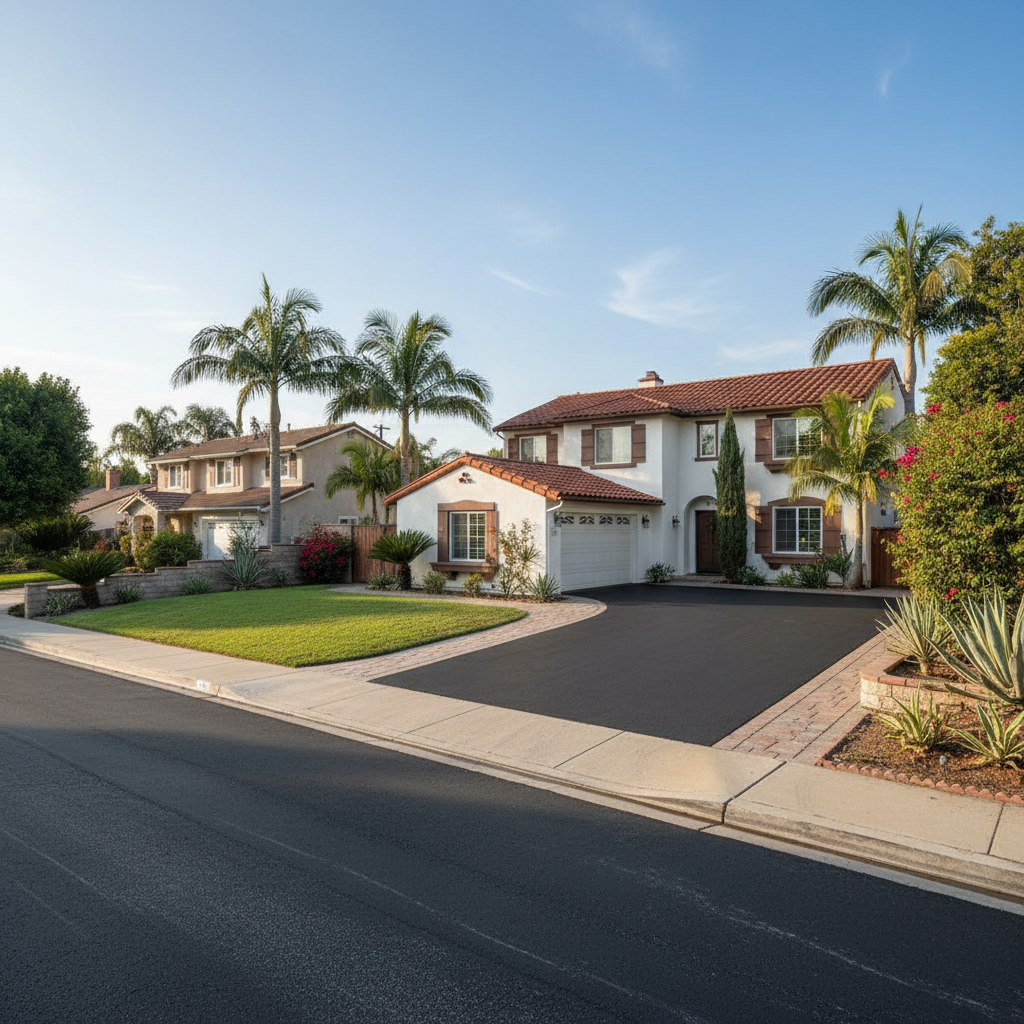
So, you're finally ready to ditch that old, cracked concrete or gravel driveway for a nice, smooth asphalt surface? Smart move. It's a solid investment, really, and it definitely boosts your home's curb appeal and makes things more functional. But hold on a sec before you dive in; you need a plan. As a contractor who's been doing this in North Hollywood for years, I've pretty much seen every scenario. Here's what I think you should know to make your residential asphalt project go off without a hitch.
Setting Your Project Timeline
First things first, let's talk about timing. This isn't some weekend DIY project, and it certainly won't happen overnight. From your first phone call to the final cleanup, a typical residential asphalt paving job can stretch anywhere from a few weeks to a couple of months. It all depends on the contractor's schedule, how complicated your specific project is, and, of course, the weather.
- Initial Contact & Quote (1-2 weeks): You'll probably call a few contractors, set up site visits, and get some estimates. Don't rush this part, by the way. Make sure you get everything in writing.
- Scheduling & Permitting (2-4 weeks): Once you've picked your contractor, they'll get you on their calendar. Depending on the work's scope, you might need permits from the city – especially if you're messing with drainage or working near public easements. Your contractor should handle this, but it's good to be aware.
- Construction Phase (3-7 days): This is when the actual work happens. It's usually quicker than people expect, but it's definitely disruptive. More on that in a bit.
- Curing Time (7-30 days): After the asphalt is laid, it needs to cure. You can usually drive on it after a few days, but it's best to avoid heavy vehicles or sharp turns for a full month.
Oh, and don't forget our NoHo summer heat. We can pave in the summer, sure, but extremely hot days can sometimes mess with scheduling or mean we need to adjust the asphalt mix. A good contractor will know exactly how to deal with that.
What to Expect During the Process
Alright, you've signed the contract, and the crew is showing up. What's going to happen next?
- Demolition & Excavation: If you've got an existing driveway, it's coming out. We'll break up concrete or dig out gravel. This part is noisy and dusty, so expect some heavy machinery.
- Grading & Base Prep: This is probably the most important step, honestly. We'll grade the area to make sure water drains away from your house and property. Then, we lay down a stable aggregate base – think crushed rock – and compact it. A solid base stops future cracking and sinking. Seriously, don't let anyone cut corners here.
- Binder Layer (if needed): For thicker driveways, we might put down a binder layer of coarser asphalt mix before the final surface layer.
- Asphalt Paving: This is the exciting part. Hot asphalt mix arrives, a paving machine spreads it out, and then heavy rollers compact it. It's hot, steamy, and smells exactly like asphalt.
- Compaction & Finishing: Rollers keep working the surface until it's smooth and dense. We'll hand-tamp the edges for a really clean finish.
- Clean Up: We clean up the site, haul away debris, and make sure everything looks neat before we head out.
Just a heads-up: you won't be able to use your driveway on paving days. So, plan on street parking or maybe parking at a neighbor's. It's a temporary hassle for a long-term benefit, right?
How to Prepare Your Property
You don't need to do any heavy lifting, but a little preparation on your end makes things easier for everyone.
- Clear the Area: Move cars, trash cans, planters — anything that's in or close to the work zone. If you have one of those basketball hoops on wheels, get it out of the way.
- Trim Landscaping: If you've got bushes or tree branches hanging over the driveway, trim them back. This gives our crew room to work and keeps your plants and our equipment safe from damage.
- Inform Neighbors: Give your neighbors a heads-up about the project. There will be noise, dust, and possibly blocked access for a short time. A little courtesy goes a long way, believe me.
- Secure Pets: Keep pets inside or in a secure, fenced area far from the construction. Heavy machinery and open gates are not a good combination for curious animals.
- Plan for Access: Think about how you'll get in and out of your house without using the driveway. If you need to leave for work, do it before the crew starts.
Key Questions to Ask Before Signing a Contract
This is where you protect yourself. Don't be shy; ask these questions:
- What's included in the price? Get a detailed breakdown. Does it cover demolition, excavation, base material, asphalt, compaction, and cleanup? Are there any hidden fees?
- What kind of asphalt mix will you use? For residential driveways, you want a good quality surface course mix. Ask about the thickness of both the base and the asphalt layers.
- Do you pull permits? If my project needs permits, will you handle them, and is that cost included?
- What's your warranty? A reputable contractor, like Midway Asphalt Solutions, will offer a warranty on their work, usually for at least a year. Understand what it covers.
- Can I see proof of insurance and licensing? This isn't negotiable. You need to make sure they're properly insured (liability and workers' comp) and licensed in California. Don't just take their word for it, actually ask to see the documents.
- How long will the project take, and what's the payment schedule? Get a clear timeline and know when payments are due. Steer clear of contractors who demand a huge upfront deposit.
- Can you provide references? Ask for contact information for a few recent residential clients. And then, call them!
- How do you handle drainage? This is super important, especially with our occasional heavy rains. They should explain how they'll make sure water flows away from your home.
Picking the right contractor is crucial for a successful project. Take your time, do your homework, and don't be afraid to ask those tough questions. You're making a big investment in your home, and you absolutely deserve a quality job.