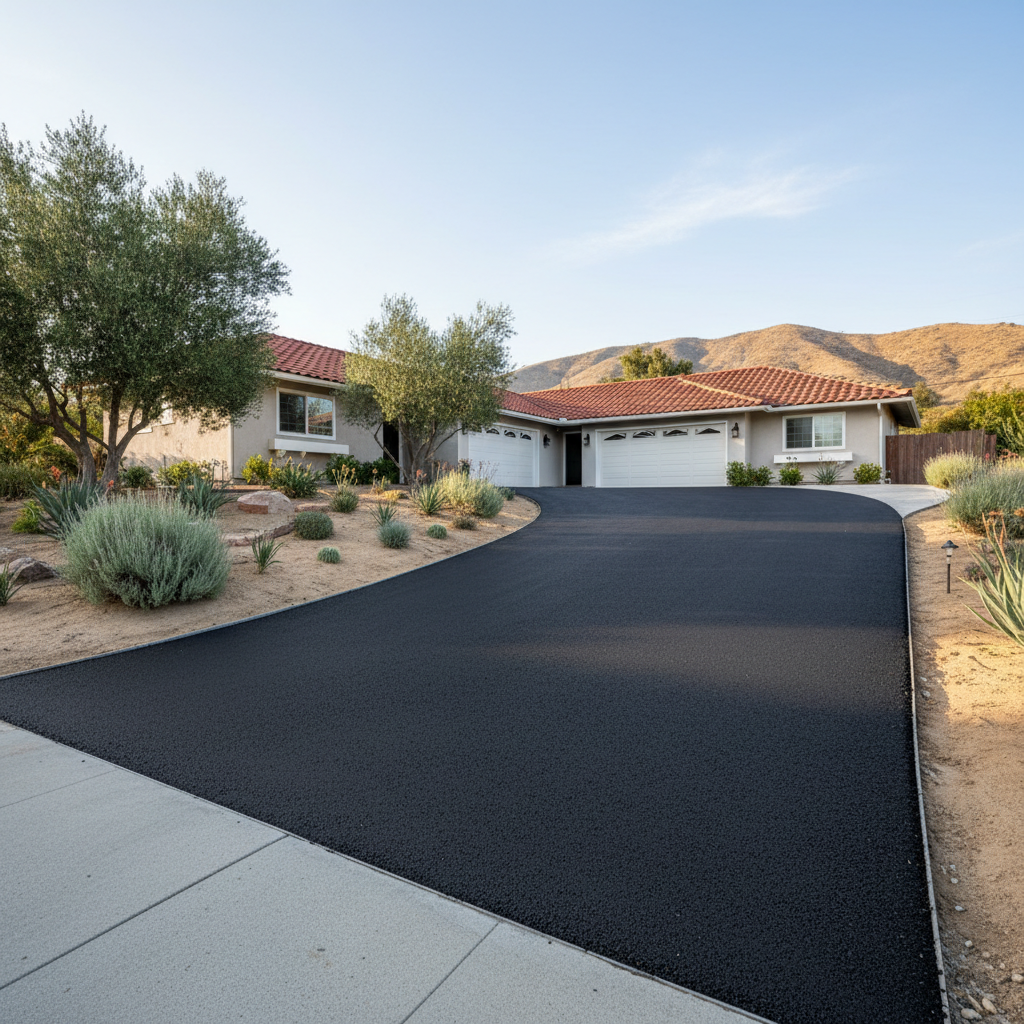
So, you're looking to put in some serious asphalt work on your North Hollywood property, maybe a new driveway that can handle more traffic, or a parking area for a home business. You're not just patching a crack; you're talking about a commercial-grade project. That's a big deal, and it needs a real plan. I've seen a lot of these projects over the years, and I can tell you, going in blind is a recipe for headaches. Let's break down what you should expect.
Setting Up Your Timeline: It's Not an Overnight Job
First off, don't expect this to happen next week. A proper commercial asphalt project, even for a residential property, takes time. You're looking at a few key phases, and each one has its own timeline.
- Initial Inquiry & Site Visit: This is where you call us or another contractor. We'll come out, take a look at your property, measure things up, and talk about what you want. This usually happens pretty quickly, within a few days to a week.
- Proposal & Contract: After the site visit, we'll put together a detailed proposal for you. This can take a few days, especially if it's a complex job. Once you review it and we answer any questions, signing the contract can happen whenever you're ready.
- Permitting (If Needed): This is a big one. Depending on the size and scope of your project, especially if it affects drainage or public access, you might need permits from the City of Los Angeles or even the county. This can add weeks, sometimes even a month or two, to your timeline. Don't skip this step; you'll regret it later.
- Scheduling the Work: Once permits are in hand (if required) and the contract is signed, we'll get you on the schedule. Good contractors are usually booked out a few weeks, sometimes a month or more, especially during peak seasons.
- Actual Construction: The physical work itself can range from a few days for a smaller parking pad to a week or more for a larger, more complex installation, like a long, winding driveway that needs significant grading.
All told, from your first call to the finished product, you're probably looking at anywhere from 4 to 12 weeks, maybe even longer if permitting is a beast. Patience is key here.
What to Expect During the Process
When the crew shows up, it's going to be a bit of a production. We're not just showing up with a shovel and a bucket. You'll see:
- Heavy Equipment: Think excavators, bobcats, rollers, dump trucks. It's going to be noisy, and there will be a lot of activity.
- Excavation & Grading: We'll dig out the existing material, whether it's dirt, old concrete, or failing asphalt. Then we'll grade the area properly. This is crucial for drainage, especially with our occasional heavy rains that can turn a flat lot into a pond if not sloped right. We'll make sure water flows away from your home, not towards it.
- Base Layer Installation: This is the foundation. We'll lay down a compacted layer of aggregate base. This needs to be solid and even, or your asphalt won't last.
- Asphalt Paving: This is the hot, smelly, but satisfying part. Hot asphalt gets laid down in layers and then compacted with heavy rollers. It's a precise job that needs experienced hands.
- Curing Time: Once it's down, you can't drive on it immediately. We'll give you specific instructions, but usually, it's 24-72 hours before light traffic, and a week or more before heavy vehicles.
You'll want to make sure the work area is clear of vehicles, pets, and anything valuable. We'll do our best to minimize disruption, but it's a construction zone for a bit.
How to Get Your Property Ready
Preparation on your end makes everything smoother. Here's what you can do:
- Clear the Area: Move anything that's in the way – cars, boats, planters, outdoor furniture. If there are trees or shrubs too close, discuss with your contractor if they need trimming or removal.
- Manage Access: Think about how the crew will get in and out. Will they need to block part of your driveway? Do you have an alternate access point?
- Inform Neighbors: A heads-up to your neighbors about the noise and activity goes a long way. Let them know when to expect heavy equipment and potential temporary access issues.
- Secure Pets & Kids: Keep them well away from the work zone. Heavy machinery and hot asphalt aren't safe for curious little ones or animals.
- Know Your Utilities: If you have any underground sprinkler lines, electrical conduits, or gas lines running through the project area, point them out to your contractor. We'll do our best to locate them, but your knowledge is invaluable.
Questions to Ask Before You Sign That Contract
Don't just go with the first bid. Ask questions. Any good contractor, like us at Midway Asphalt Solutions, will be happy to answer them. If they get cagey, that's a red flag.